
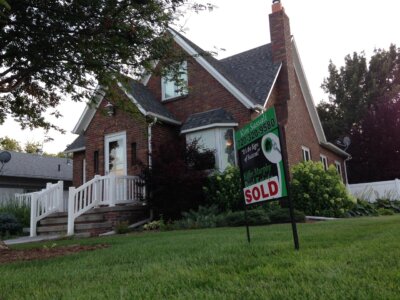
How Long Do Homes Last in Alaska’s Climate? is a question buyers ask with a mix of curiosity and concern. How Long Do Homes Last in Alaska’s Climate? is not answered by a simple number of years. In Interior Alaska, longevity is less about age and more about construction quality, maintenance, and how a home interacts with its environment. In places like Fairbanks and North Pole, there are homes built in the 1950s that are still solid and homes built in the 2000s that struggle. The difference is almost never the calendar.
Alaska’s Climate Is Demanding but Predictable
Interior Alaska is cold, dry, and extreme. Long winters, deep frost, and dramatic temperature swings put constant pressure on buildings. Foundations deal with freeze and thaw cycles. Roofs carry heavy snow loads. Heating systems work hard for months at a time.
That sounds harsh, but it is also consistent. Alaska does not have hurricanes, salt air corrosion, or year-round moisture like many Lower 48 regions. Homes that are designed for cold and dryness can perform exceptionally well over decades.
Construction Quality Matters More Than Age
A well-built Alaska home can last generations. A poorly built one can struggle almost immediately.
Quality construction in Interior Alaska usually includes:
-
Proper foundation design for permafrost and frost depth
-
Adequate insulation and air sealing
-
Roof structures designed for snow load
-
Heating systems sized correctly for the home
-
Thoughtful moisture management
Homes that cut corners in these areas tend to show problems early. Homes that were built with Alaska conditions in mind often age gracefully.
Foundations Tell the Real Story
If you want to understand how long a home will last, look at the foundation. In Interior Alaska, foundation design is critical.
Homes built on properly engineered foundations, pilings, or insulated slabs tend to perform well long-term. Frost heave issues usually stem from improper design, drainage, or insulation rather than age alone.
A 60-year-old home with a stable foundation is often a better bet than a newer home with unresolved movement issues.
Maintenance Is Not Optional Here
Alaska does not forgive neglect. Heating systems need regular service. Roofs must be monitored. Snow load, ice buildup, and extreme cold expose weaknesses quickly.
The upside is that problems reveal themselves early. Homes that are actively maintained tend to remain reliable for decades. Homes that are ignored deteriorate faster than their age would suggest.
Buyers should always review maintenance history. Sellers who can document consistent care usually inspire more confidence than those with newer but undocumented systems.
Materials Age Differently in Alaska
Cold, dry conditions are actually gentle on some materials. Wood framing can last a very long time when protected from moisture. Interiors often show less wear because humidity is low.
On the flip side, exterior finishes, roofs, and mechanical systems face heavy demand. These components are expected to be replaced or upgraded over time. That is normal and should be planned for.
A home’s structure may last a century. Its systems are meant to be renewed.
Remodeling vs Rebuilding
In Fairbanks and North Pole, it is common to see older homes that have been continuously updated. Boilers replaced. Roofs redone. Insulation improved. Windows upgraded.
This incremental approach works well here. Tearing down and rebuilding is less common than adapting and improving over time. Buyers who understand this are less afraid of older homes and more focused on how they have been cared for.
Environment Is Not the Enemy
Many outsiders assume Alaska’s climate shortens a home’s life. In reality, poor construction and neglect do far more damage than cold alone.
Homes built for the environment and maintained with intention often outlast comparable homes in milder climates. Alaska demands respect, but it also rewards preparation.
What Buyers Should Focus On
Instead of asking how old a home is, buyers should ask:
-
How was it built?
-
How has it been maintained?
-
Are the foundation and structure stable?
-
Are major systems updated or nearing replacement?
These questions reveal far more than the year on the tax record.
What This Means for Sellers
Sellers of older homes should not assume age is a liability. In Interior Alaska, a well-maintained older home can be a strong selling point.
Clear documentation, honest disclosures, and evidence of upgrades help buyers see longevity instead of risk.
The Bottom Line
Homes in Alaska can last a very long time. The environment does not automatically shorten their lifespan. Construction quality and care determine whether a home struggles or thrives.
As Owner Broker of The Real Estate Collective, Nic Williams helps buyers and sellers evaluate homes based on substance, not assumptions. In Fairbanks and North Pole, understanding how homes age leads to smarter decisions and fewer surprises.
In Interior Alaska, homes do not just endure the climate. When built and maintained correctly, they stand strong in it.
Helpful Links:
Contact Form: https://nicwilliamsrealtor.com/contact-form/
Facebook: https://www.facebook.com/NicWilliamsAlaskaRealtor
YouTube: https://www.youtube.com/@TheAlaskanRealtor